
Real Time Transmission and the Danger Ahead
By Sunny Ezeh
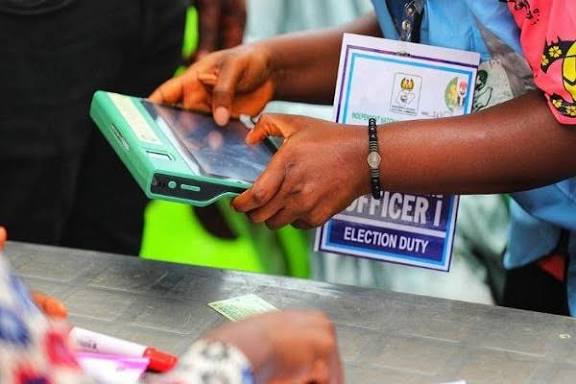
Don’t let anyone deceive you; what is being debated is not whether Nigeria should use technology in elections. Nigeria already does. Electronic transmission of election results is already part of our electoral process, used to enhance speed, transparency, and public confidence. What is in contention is something entirely different: the attempt to make real-time electronic transmission mandatory and, more dangerously, to elevate it as the legal basis for election validity. These are two very different things, and confusing them is either intellectual laziness or deliberate manipulation.
Across the world, technology is deployed to support elections, not to replace their legal foundation. Kenya, Ghana, India, the United States, and the United Kingdom all transmit election results electronically to improve transparency and public access. But in none of these countries does electronic transmission; let alone real-time transmission; determine whether an election is valid. The legally binding results are grounded in physical records, signed forms, and verifiable audit trails. Technology assists democracy; it does not hold it hostage.
Nigeria is already aligned with this global best practice. Results are captured at polling units, documented on statutory forms, signed by party agents, and then uploaded electronically for public viewing. This dual system ensures transparency while protecting the integrity of the process. What the Senate is proposing is not a rollback; it is a safeguard. It is a recognition that technology can fail, be disrupted, or be sabotaged, and that no serious country places the fate of its sovereignty entirely on digital infrastructure.
Making real-time electronic transmission mandatory and the legal basis for validity introduces grave risks. Nigeria has vast areas affected by insecurity where telecommunications are deliberately shut down. Millions of citizens live in communities with unstable or nonexistent data coverage. A rigid legal requirement for real-time upload would automatically disenfranchise them. Worse still, it opens the door for abuse: disrupt networks in opposition strongholds, trigger “technical failure,” and legally invalidate legitimate votes. That is not reform; that is a blueprint for chaos.
The opposition’s strategy is simple: collapse a complex legal and technological debate into an emotional slogan, then accuse anyone who disagrees of being anti-democracy. But democracy is not sustained by slogans. It is sustained by systems that are resilient, inclusive, and resistant to manipulation. The Senate’s position is clear and responsible: use electronic transmission for transparency and speed; retain physical results as the legal anchor; allow INEC the operational flexibility to manage technology within the limits of infrastructure and security realities.
This is not about protecting politicians; it is about protecting the republic. No country in the world makes mandatory real-time electronic transmission the legal determinant of election validity. Nigeria should not become the first to experiment recklessly with its democratic stability. Technology must serve democracy, not endanger it. Those who truly care about credible elections must stop confusing the public and start engaging honestly with the risks, the law, and global best practice.