New railways to link South West States soon

By Omolade Adegbuyi
Very soon, broader internal railway services may commence in the South West, Nigeria’s industrial hub following securing a license for railway services by the South West Development Commission, (SWDC).
The provisional licence is to enhance the operation of track access to residents of the South West Region. The license was procured from the Nigerian Railway Corporation (NRC).
Irohinoodua was informed that this will pave the way for passenger and freight rail services across existing rail corridors in the Southwest. Observers see this as a major step toward regional integration.
Railways was on the exclusive list of the Federal Government until recently. The licence is not for the construction of new railway tracks but to enable the SWDC to operate passenger and freight services thereby assisting the movement of goods and humans. The initiative is billed to open up the South West economic and industrial hub.
The license enables the South West to operate narrow and standard gauge rail networks and also to support the development and movement of agro-allied products.
The services are expected to benefit the South West States of Lagos, Ogun, Oyo, Osun, Ekiti, Ondo while opening up opportunities for Kwara, Kogi, Delta and Edo States.
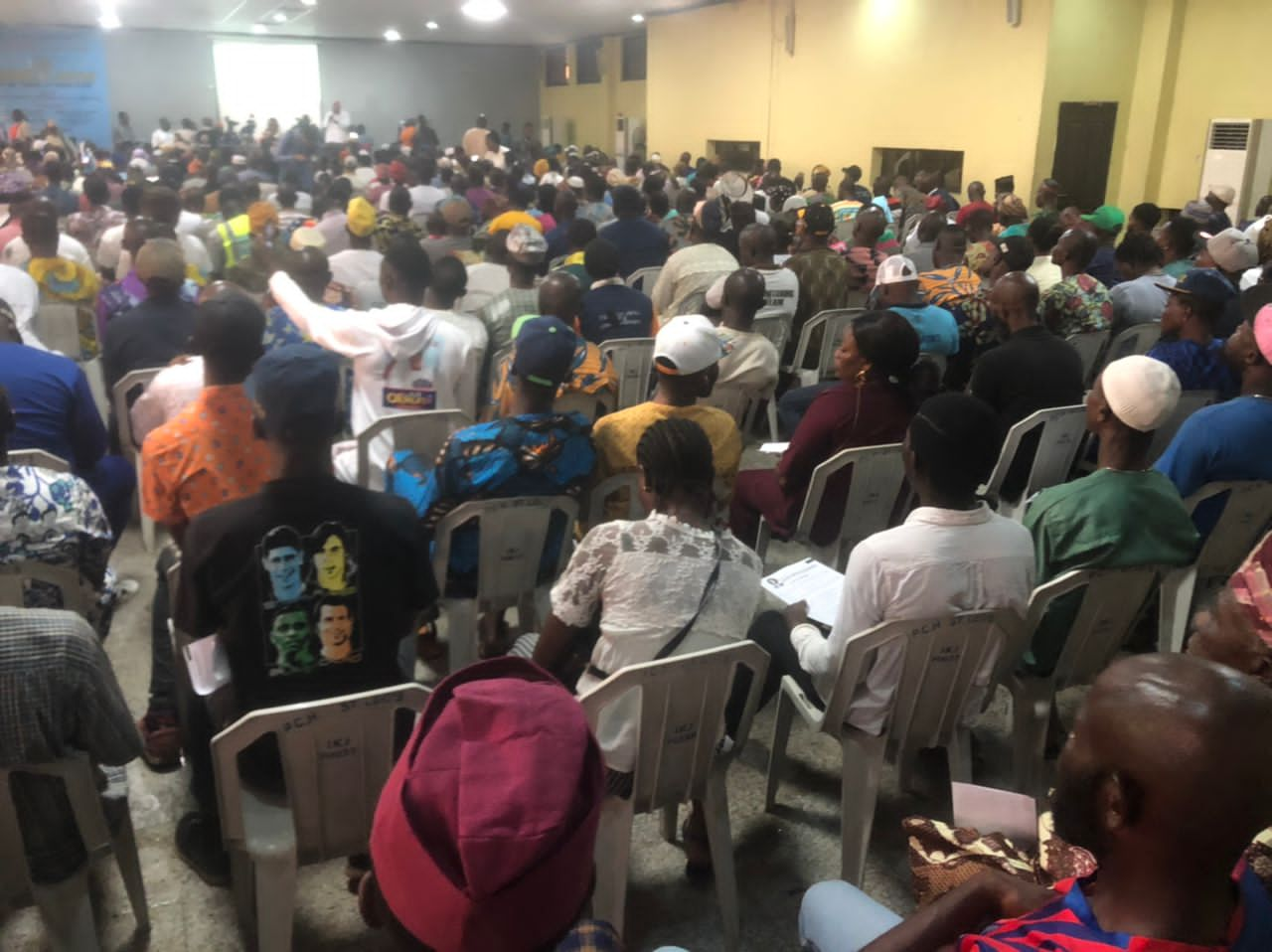
Speaking to journalists at Ibadan, the Managing Director/CEO of SWDC, Dr. Charles ‘Diji’ Akinola, said the licence opened up major transition to full implementation.
Akinola said “This licence is not just a document. It is the green light to rebuild the Southwest’s economic spine on rail,” he said. “We are moving from plans to tracks, from talk to trains. Our partnership with the NRC will put freight on rails, people on trains, and opportunity back into the hands of businesses and communities across the South West.” Akinola added.
According to him, the ‘SW-RAIL Platform’ ‘is being developed as a rail-anchored economic corridor integrating freight systems, agro-logistics, industrial parks, inland logistics hubs, cold-chain infrastructure, port connectivity, passenger mobility systems, and transit-oriented developments.’
He said the South West region remains the strongest economic nerve centre of Nigeria as the country’s largest economic hub yet faces logistic problems of transportation compounded with increase in freight cost.
Akinola said “The Southwest has enormous economic potential, but transportation inefficiencies continue to increase the cost of doing business. Rail provides an opportunity to address these challenges in a more integrated, scalable, and sustainable way.”
The initiative is expected to reduce logistics costs, improve freight efficiency, strengthen agricultural market access, boost export competitiveness, expand industrial activity, improve passenger mobility, and create jobs across multiple sectors.
He said by operating directly on NRC corridors, the SWDC will boost manufacturing, farming and allied products. He said the project will stabilise transportation and movement of goods in the area.
He said the network will open up Apapa and Tin Can Islans to the entire South West and other parts of the country.
Akinola said ‘the implementation model will be partnership-driven, pointing out that it will be open to collaboration with state governments, private investors, logistics operators, and international infrastructure partners.’
He said the launch of TransComs, a cluster-based development model focused would focus on transforming rural communities into integrated economic hubs through agriculture, housing, enterprise development, logistics, and youth employment.