I watched kidnappers kill eight captives over ransom payment – Kwara farmer
By Temitope Adetunji
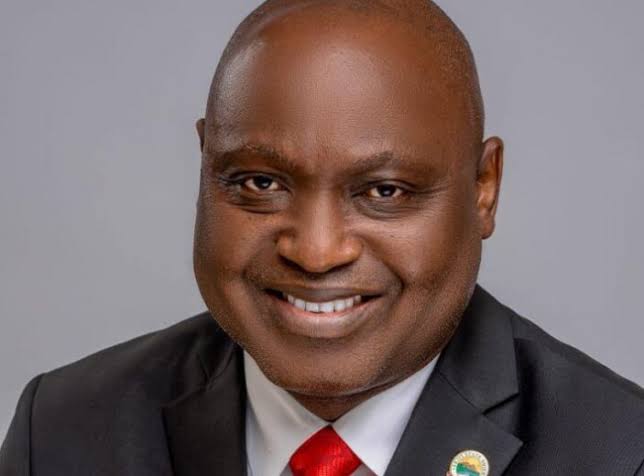
Abdullahi Abdulazeez and his younger brother, alongside two workers, were kidnapped while heading to their farm in Babanla, near Oke-Ode, Kwara State. In this interview with TEMITOPE ADETUNJI, he recounts his ordeal in the kidnappers’ den and the ransom negotiations.
Can you take us back to the day you were kidnapped? What happened?
I am a farmer, and I have been into farming for about 26 years. The incident happened in December last year. We were on our way to the farm when we were attacked. I was with my younger brother and two of my workers. It happened around Babanla, which is close to Oke-Ode.
When the kidnappers attacked us, they marched my brother with a cutlass. They handcuffed me, my younger brother and my workers and took all of us into the bush.
We trekked for almost four hours before we reached the place they were taking us to. When we got there, they stopped and called some of their members to come and take us further into the bush.
We eventually got to their camp at about 6pm that day. That was where they kept us.
What did you encounter when you got to their camp?
When we arrived at the camp, we met many other people who had also been kidnapped. There were people from different backgrounds. What we saw there was terrible. They were killing people in our presence.
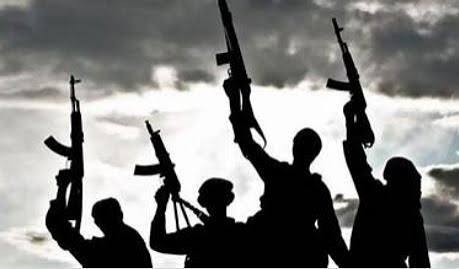
I witnessed about eight people being killed. They were killing people one after another. If a victim’s family did not make payment on time, they would kill the person. They had no mercy. They had many guns and ammunition, and they were not afraid of anything.
The situation was very frightening because you could see people being killed simply because their families could not meet the ransom demands quickly enough.
Did they threaten to kill you at any point?
Yes, they tried to kill us, and I was particularly affected. They handcuffed our hands and legs, so we could not walk or do anything for ourselves.
There was also a place in the bush where helicopters sometimes landed. I remember that helicopters came into the area about three times. Whenever a helicopter arrived, the kidnappers would go and meet the people they were negotiating with.
When they returned, they would tell us that some families had made payments for their relatives. They were not afraid that the police or military would be informed. They simply continued with their activities. They acted as if nobody could stop them.
How long did you spend in captivity?
We spent almost two months and 12 days in the kidnappers’ den. We were eventually released on February 12 this year.
How much did your family pay before you were released?
They initially demanded N400m as ransom, but after negotiations, my father paid about N27m in total. The first payment was N10m in cash. After that, he transferred another N10m and later made two additional payments to complete the ransom.
There were also other expenses the kidnappers demanded. On the day my father brought the N10m, they asked him to provide various items, including soya milk, nuts and other provisions, which cost almost N200,000. They also demanded drugs, including codeine and tramadol.
Even after the initial payment, they refused to release us. They continued negotiating with my family and demanding more money.
They also went to our camp, where they burnt our houses and destroyed our farms and other properties. Everything we had there was destroyed.
Why did they refuse to release you after your father had made the first payment?
They claimed that the person who collected the money had run away with it. They said the money did not get to them, so another payment had to be made.
At one point, my father was told to send money to different accounts. There was a time he was asked to send N300,000 to one account and the remaining N6.7m to another account.
The negotiations continued for a long time. They kept telling my father to make more payments. Meanwhile, we were still in the bush, and they were threatening and beating us.
How did your father eventually manage to secure your release?
My father made several attempts to get the money to them. At one point, he gave the ransom to my younger brother and one of my friends to take into the bush, but my brother became afraid to go there.
He eventually called my father and told him that the kidnappers would provide an account number for the money to be transferred. My father tried to make the transfer, but there were issues with the account.
One of the people involved in the negotiations contacted another person, and eventually, my father was able to prove that he had made the required payment.
However, they still claimed that the person who collected an earlier payment had disappeared with the money.
They then demanded another payment. My father had to look for more money. Eventually, he made the additional payments, including the N7m that was part of the final negotiations. After the final payment was made, they released us.
What happened on the day you were released?
They released us at about 6pm. By then, we were extremely weak and lean because of what we had gone through. They gave us a small phone and arranged for someone to take us through part of the way.
The person drove us to a point in the bush because we were too weak to walk properly. He then told us to come down and showed us a road, instructing us to follow it.
We started trekking. We trekked through the bush for a long time. Eventually, the following day, we reached a military base.
When we got to the military base, the soldiers asked us where we were coming from and what had happened. They gave us food and changed our clothes. They also gave us snacks and took care of us.
That was how we eventually got help after leaving the kidnappers’ camp.
Do you know exactly where the kidnappers took you?
We were in Kwara State. The kidnappers called the place Oke Ero, but I cannot say that I know the exact location. It was deep inside the bush, and we were not in a position to know exactly where we were.
They kidnapped us in Kwara State and kept us within the state.
What happened to your family’s property after the incident?
They destroyed everything. They burnt our houses, farms and other properties. Everything was destroyed. As a result of the incident, my family and I had to leave the area.
My father is still in Kwara State, and one of my brothers is also there, but I have moved to Akure, where I now live. We had to leave because we could no longer feel safe there. The destruction was extensive. They burnt everything we had.
What do you think the authorities should do differently to protect farmers and residents in the affected communities?
The government needs to take the security situation in Kwara State seriously. There are groups operating in the area, and the authorities need to investigate them properly and identify those responsible for the attacks.
When the government wants to address the insecurity, I believe it should focus on identifying and holding accountable those behind the attacks rather than bringing people into communities without proper investigation.
There was a time when the government brought people to Oke-Ode in the name of protecting the community. Some of these people were presented as hunters, but residents were uncomfortable because there were already concerns about some of those coming into the area.
Why were residents uncomfortable with their presence?
The people in the communities had experienced killings and kidnappings, so they were concerned about who was being brought in and what their real purpose was.
Some of the people operating in the area carried guns, including AK-47 rifles. There were also attacks on local hunters. In one incident, almost 40 Yoruba hunters were killed in one day.
That is why I believe the government needs to investigate these groups properly and understand what is happening in those communities. The people need genuine protection.
Do you believe farmers can continue to work safely in those areas?
It is very difficult. Farmers depend on their farms for their livelihood, but when the environment becomes unsafe, they are left with a difficult choice between protecting their lives and protecting their property.
In my own case, I had spent years farming, but eventually I had to leave because of the insecurity. My family’s properties were destroyed, and there was no point remaining in an area where our lives were at risk.